Bark’s Statement on the Grasshopper Fire
Environmental laws are not the problem
PORTLAND, OR —On July 23rd, the Grasshopper Fire was started by a “lighting bust,” like many of the other large fires that burned in the Pacific Northwest over the summer. Shifting winds led to dramatic changes in the fire’s direction and behavior over a large and rugged area, causing the fire to eventually grow to over 93,000 acres. At one point, it was one of the highest priority fires in the country, forcing the evacuation of hundreds of people in the Sportsmans Park, Pine Hollow, Friend, and Wamic communities. Many beloved places have been affected: the fire has burned much of Badger Creek Wilderness, including Badger Lake and the historic Flag Point Lookout.
As the fire burned over the past few months, Bark staff have been a part of meetings where community members shared their frustration, anger, and questions about whether more could have been done to stop the fire from spreading and endangering the lives and homes of their friends and neighbors. Amidst all of this, while the fire was still active, industry and other interest groups chose to prey on people’s emotions to push their own anti-environmental and deregulatory agenda.
This was not an accident. The Trump Administration and their allies in the timber industry have been using fire as an excuse to push a nationwide attack on public lands and weaken bedrock environmental laws. They claim that if only we could build more roads and log more trees, we could stop fires and protect communities. This is a lie. The timber industry has a financial stake in policies that expand logging. Its preferred solutions should be evaluated on the evidence, not accepted simply because they are presented as the answer to a crisis.
There is no single, simple fix for wildfire, and there is no evidence that implementing the Grasshopper project as originally proposed would have prevented this fire from growing as it did. The Grasshopper Fire was driven by weather and landscape conditions that cannot be reduced to a question of whether a single logging project could have changed the outcome. Oregon entered this fire season amid record-low snowpack and widespread drought. These conditions left our forests exceptionally dry and contributed to a record-breaking wildfire season across the state.
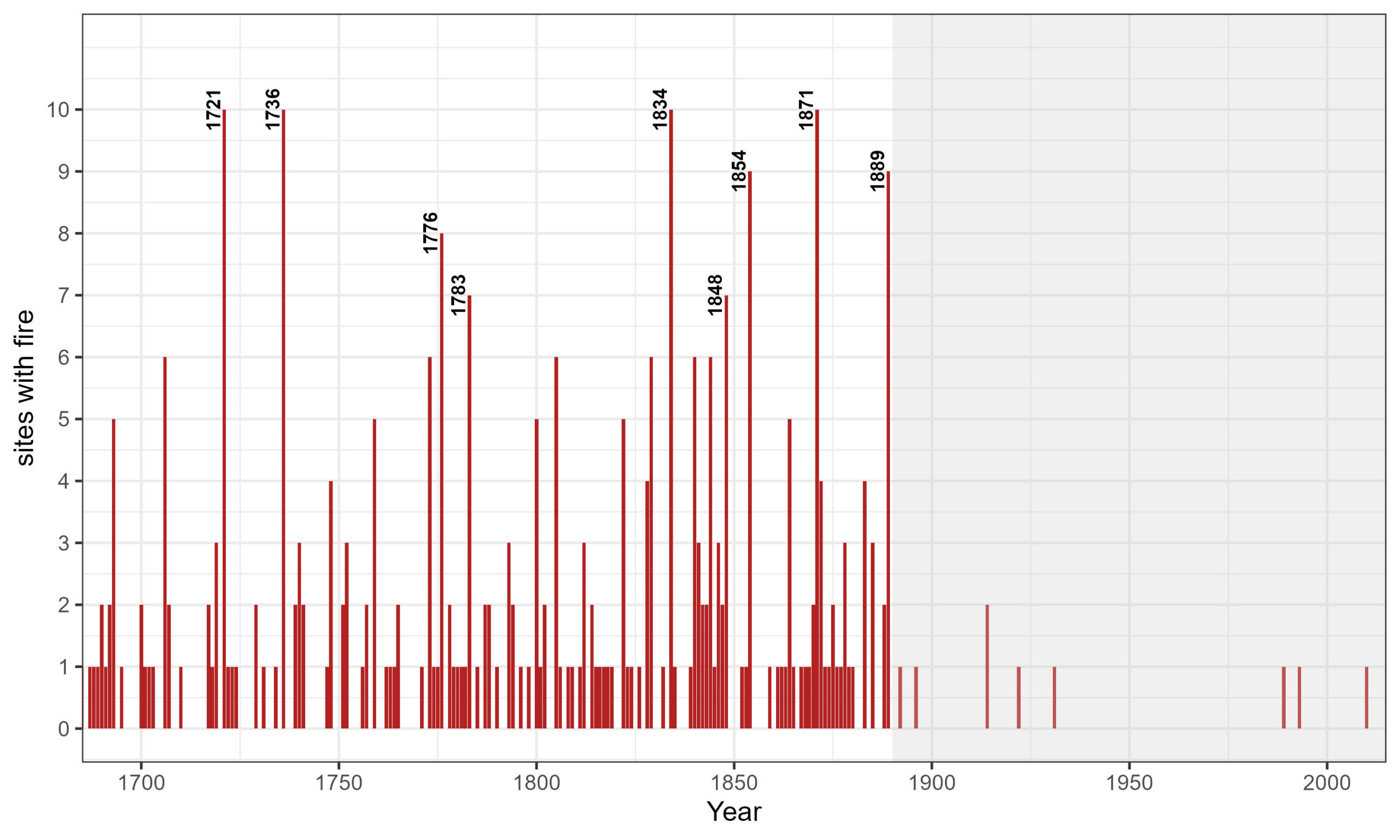
But perhaps most importantly, unlike what industry is claiming, fire is not inherently a disaster for forests. The forests of Mt. Hood evolved and developed alongside fire and the complex interactions between climate, weather, topography, and vegetation. It has been 130 years since a major wildfire burned in the area of Grasshopper. Yet we know from fire history research that a fire of equivalent size burned in the area 3-4 times per century, with multiple smaller fires burning in the years between.
The deeper problem is not that we have too many environmental protections. It is that we have spent generations and a disproportionate amount of resources suppressing fires, banning Indigenous burning practices, extracting timber, and underinvesting in the kinds of restoration and stewardship that can help forests and communities adapt to changing conditions. We can’t log our way out of that history.
We need a different approach. One that recognizes that the solution for one fire is not a solution for all. One that values and protects mature and old-growth forests, wetlands, and other important ecological features. One that decouples the U.S. Forest Service’s funding model from timber extraction, and that offers adequate funding for restoration and stewardship. One that includes meaningful collaboration with Tribes and incorporates Indigenous Ecological Knowledge. And one that prioritizes sustained investment in the practices we know can help make communities safer and forests more resilient.
The people affected by this fire deserve to be more than pawns in the timber industry’s blame game. They deserve transparency, meaningful investment in defensible space and home-hardening practices, and forest policies that prioritize ecosystems over profits. In the meantime, Bark will continue to get out on the land, listen to communities, scrutinize Forest Service decisions, and advocate for the lands now known as Mt. Hood National Forest.
For more information
Contact: Jordan Latter, Forest Watch Program Manager
jordan@bark-out.org
2026 Grasshopper Fire