Nohorn Vegetation Management Project
The Mt Hood National Forest is in the early stages of planning a timber project on the Clackamas River Ranger District. Located in the southwestern part of the Forest, the Nohorn project is bordered by BLM land to the west, the Opal Creek Wilderness to the south, and Bull of the Woods Wilderness to the east. Bagby Hot Springs is located just outside the project area.
The Proposed Actions
Because the project is still in the early planning stages, proposed actions, units, and boundaries are subject to change. Here’s what we know so far:
- Commercial thinning in plantations under 80 years old
- Much of the Nohorn Creek watershed was clearcut logged in the 70s and 80s and replanted as monoculture plantations. The Forest Service is proposing to thin these now dense plantations.
- Roadside Fuel Reduction
- The Forest Service has discussed creating/maintaining a shaded fuel break along the 7020 road. We don’t know the exact specs, but we would expect it to be similar to past projects on the Clackamas District which targeted trees and brush under 10″ in diameter within ~100 ft of the road.
Bark’s Current Concerns
- Lots of Water
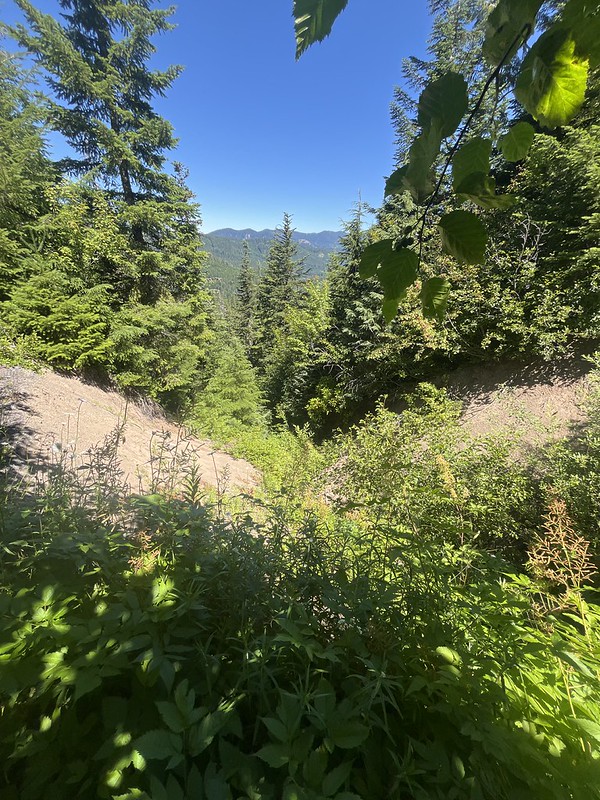
- Being on the westside of the Forest means that this area receives a ton of precipitation. This has been evident during our field surveys where we are documented seeps, springs, and other wet areas not identified on FS maps. Heavy machinery (like logging equipment) can be extremely damaging to these sensitive areas.
- Steep Slopes
- This area of the Forest is extremely steep and rugged. Many of the plantations are on steep slopes, and thinning (especially heavy thinning) could increase risks of landslides and sediment runoff into nearby streams.
- Roads
- Both of the two issues above contribute to this concern. Many roads were snaked across steep hillsides to access timber in the watershed. These hillsides are geologically unstable and in an area that receives lots of rainfall. In just one summer of field work, Bark has documented three completely impassable road washouts. To complete the project as currently proposed, the Forest Service will have to repair these roads. Not only is this expensive, but the roads will almost certainly fail again in the future.
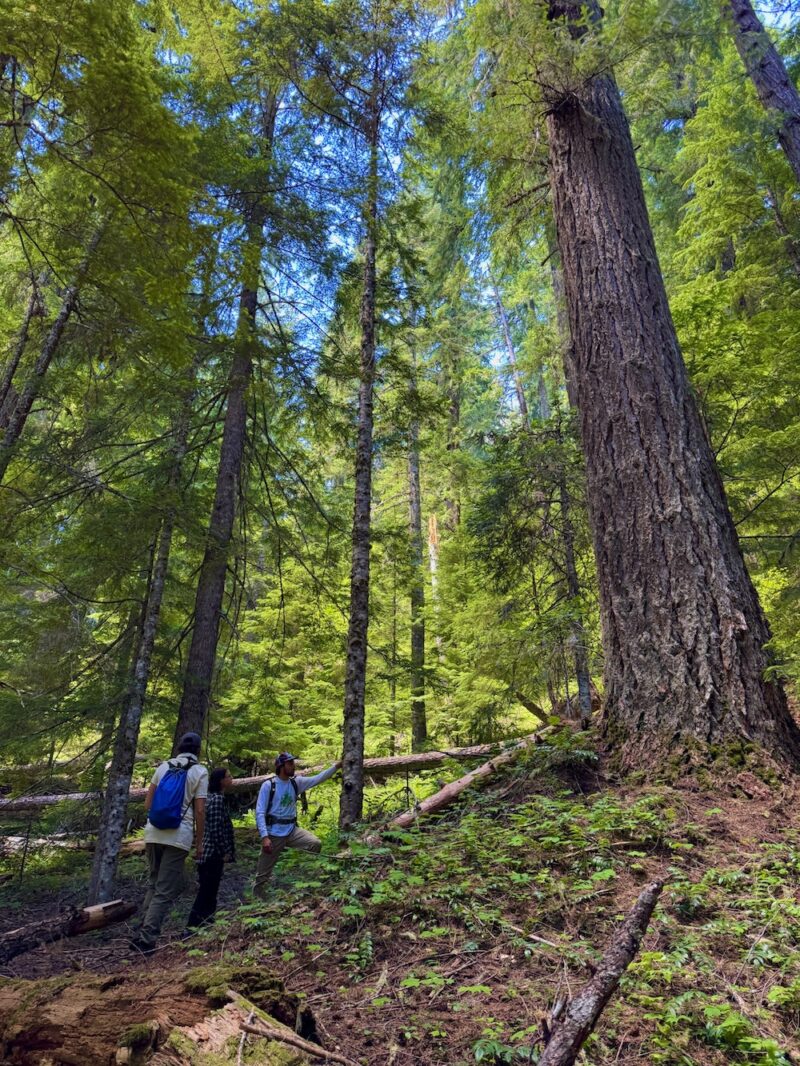
Click through the photo album below from the Nohorn Project Area