Bark’s July News and Advocacy Opportunities
ACTION ALERT! Tell Senate Subcommittee to Vote NO on H.R. 655 by July 29th!
ICYMI, after months of grassroots opposition and stalled progress for H.R. 655—the bill that would give 150 acres of Mt. Hood NF to the city of The Dalles for water infrastructure upgrades that would support the city’s data centers—the bill is now on the move in the Senate. Last week, it was granted a hearing in the Senate Subcommittee on Public Lands, Forests, and Mining, where, in a surprise move, a representative for the Forest Service came out in support of the bill.
This hearing does, however, give the public an opportunity to weigh in. According to the Senate Energy and Natural Resources Committee’s website, we have up to two weeks following a hearing to submit testimony. That means the deadline to contact the subcommittee is Wednesday, July 29th.
Click the button below or use the following language and resources on Bark’s website as a template to submit your HR 655 testimony NOW! You can also email the subcommittee directly at fortherecord@energy.senate.gov. The sooner this subcommittee hears from you, the better.
Urge the Committee to oppose HR 655 and its reckless impacts on our forests, fish, cold water flows, public land, and public oversight!
June Campout Recap: Surveying SWER
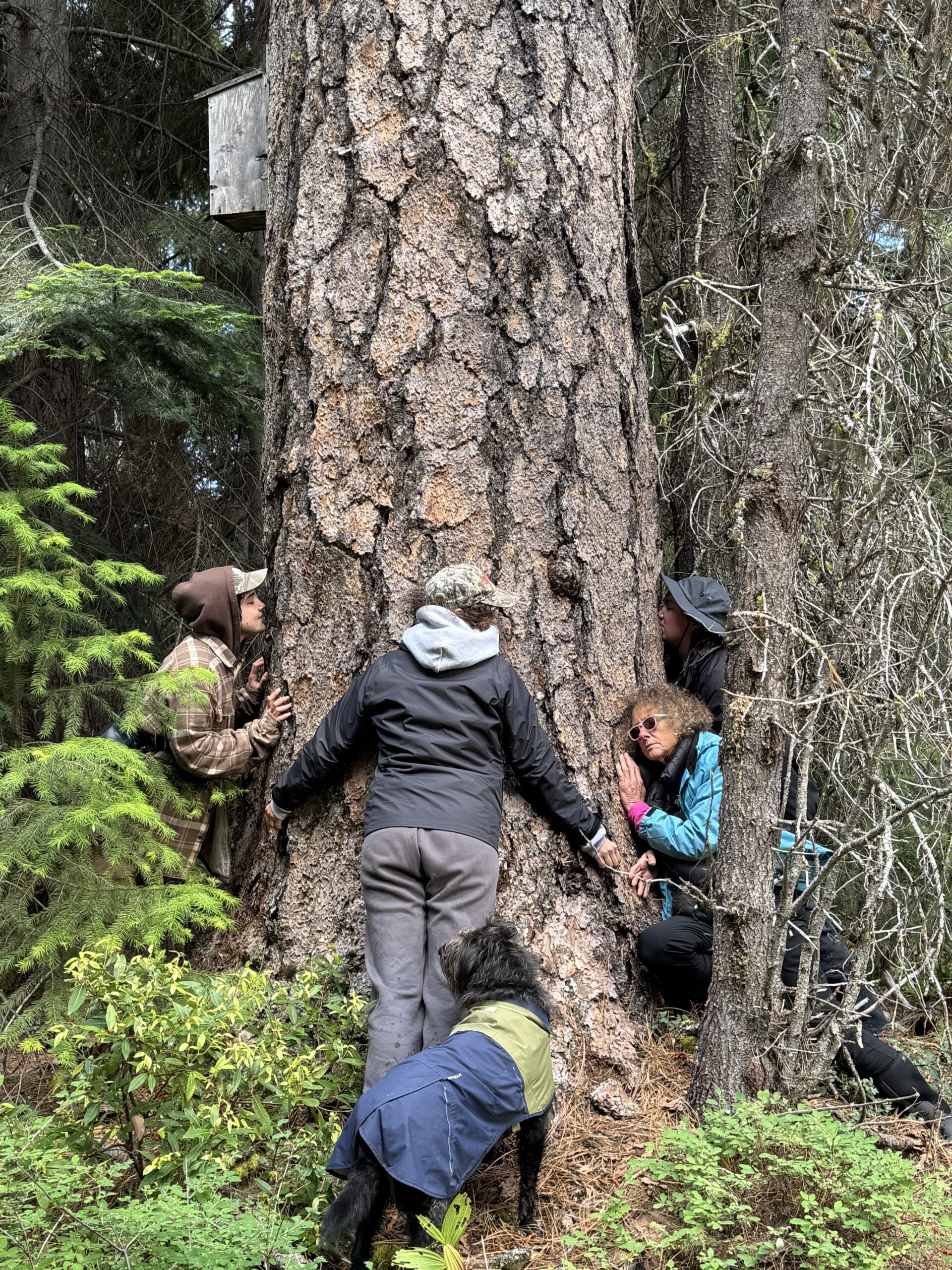
Thanks to everyone who came out to our June campout! We’ve been pleased to see a steady uptick in campout attendance year over year, and had a great group at our June campout, which focused on surveying the proposed South Wasco Ecosystem Resiliency (SWER) project.
For the uninitiated, campouts allow us to groundtruth and survey wetlands and beaver habitat across much larger areas than we can cover in a single field day. Plus, there’s the added bonus of getting to hang out with fellow Barkers at the end of the day!
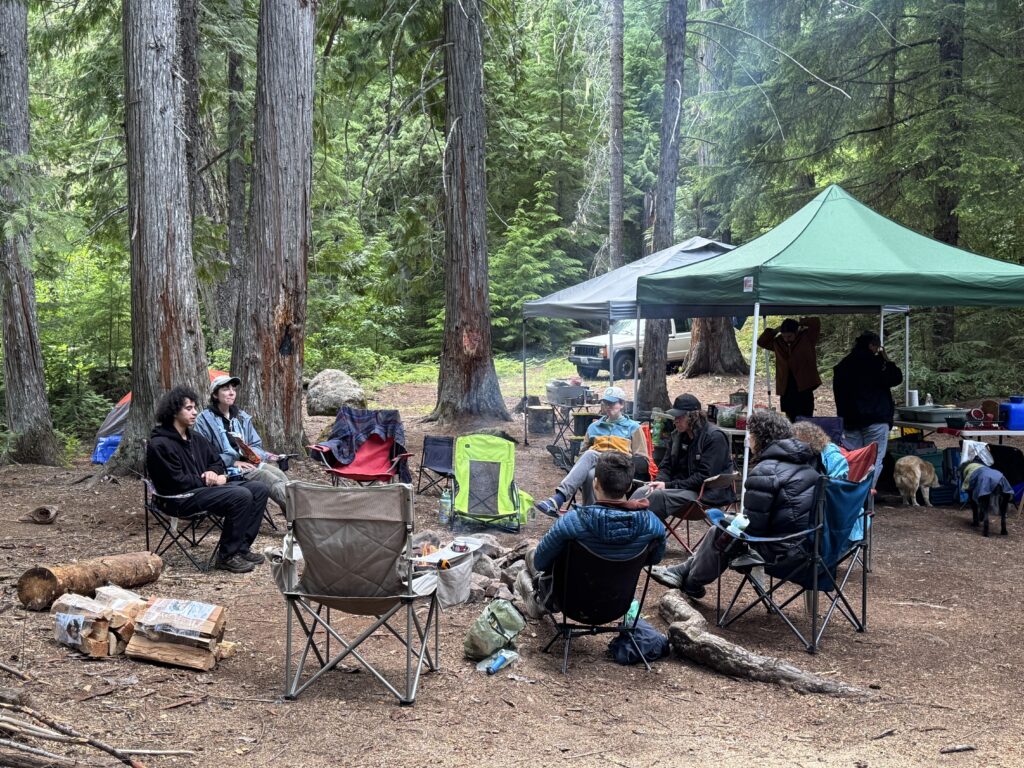
The field-based data we collect on these campouts directly informs our advocacy in Forest Collaboratives and other Forest Service (FS) decision-making spaces processes, ensuring that project decisions reflect on-the-ground ecological conditions, comply with the agency’s own land management plan, and protect the health and integrity of Mt. Hood’s forests and watersheds.
The SWER project is located on the southeast side of the forest along the boundary line of the Confederated Tribes of the Warms Springs Reservation. It includes popular recreation areas like Clear Lake and surrounds sensitive areas like Camas Prairie. The project area spans ~19,000 acres and covers a wide range of forest types and plant communities, including older moist mixed-conifer stands in the northwest portion of the project that previously prompted litigation by Bark over the Crystal Clear project, which covered roughly the same area as SWER.
Bark’s concern then, as with this project, is that intensive treatments in these moist mixed-conifer stands could degrade late-successional habitat, reduce structural complexity, and impact hydrologically sensitive areas.
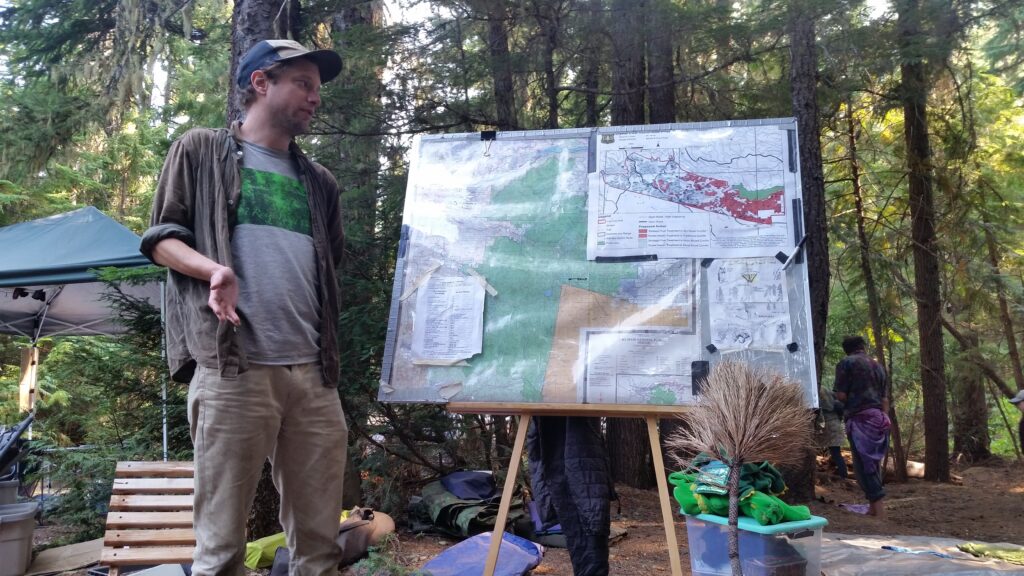
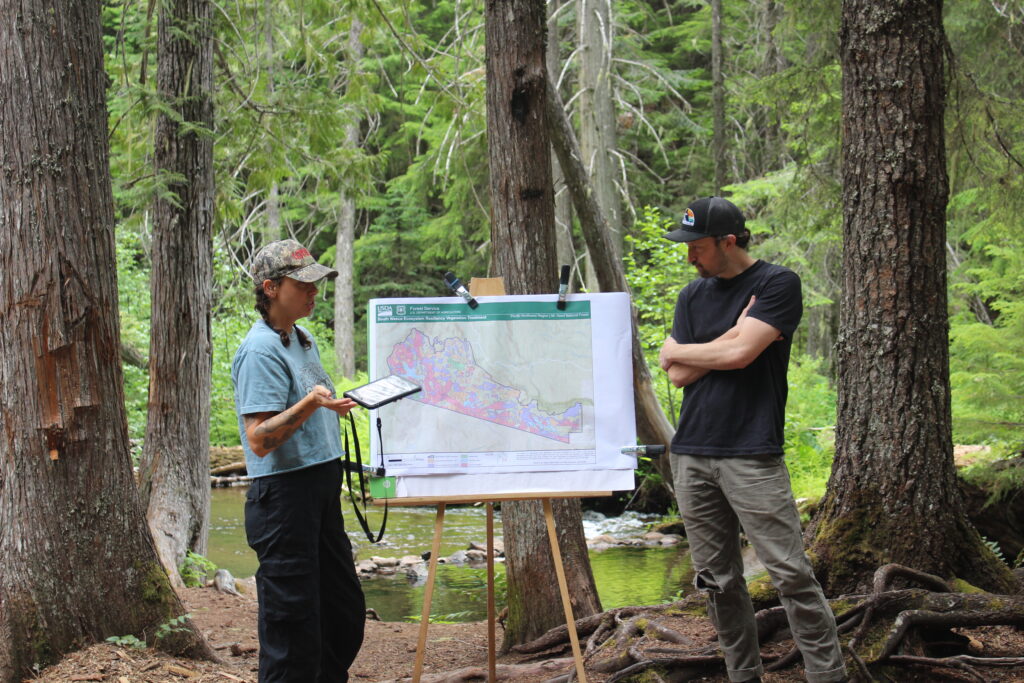
On the far eastern side, the forest is much drier and hotter with harsher growing conditions where trees like ponderosa pine and white oak thrive. The western side of the project area is higher elevation and much wetter, with a canopy dominated by doug fir, western hemlock, and silver fir (plus some larch!!). Somewhere in the middle is the “transition zone,” where west-side species and east-side species grow together in a very biodiverse forest.
Our camp was right in the middle of the project area, and we got to experience this transition zone firsthand. It was a cool and wet weekend and folks who drove up from Portland would tell us it was raining hard on their drive up, yet we stayed relatively dry in camp. On the third day of the campout, we drove to a unit south of Clear Lake. It was a cold, rainy, and misty day as we walked through a mature stand and documented at least 6 conifer species making up the canopy of the forest—very diverse!
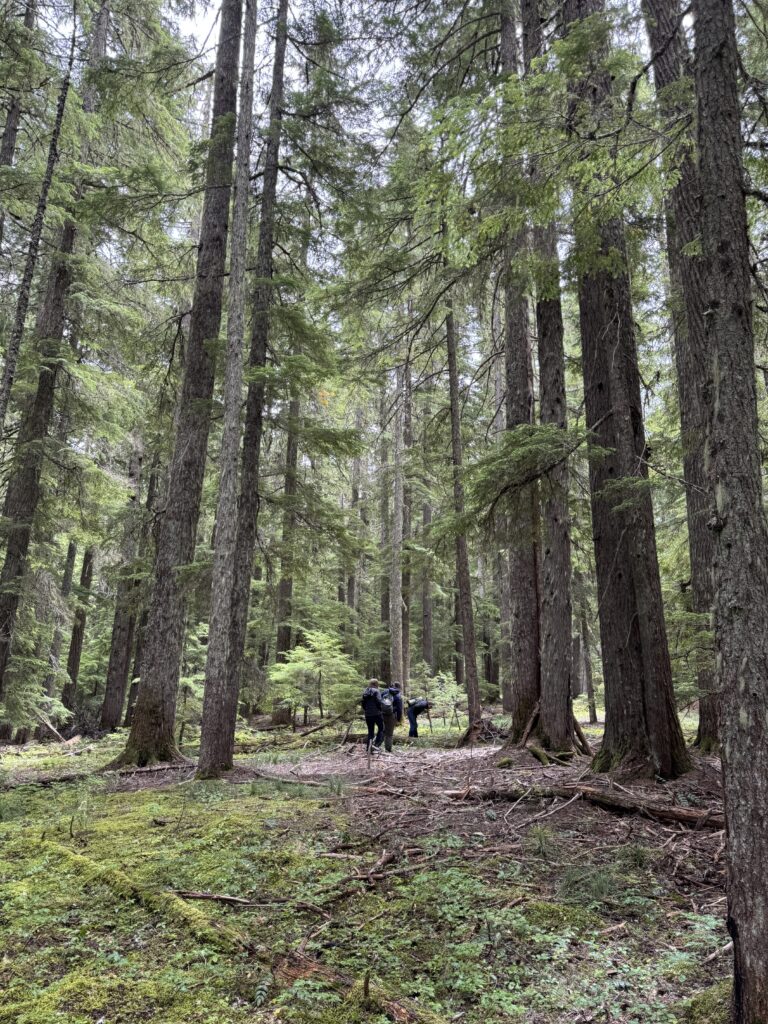
Yet as we drove the short distance east back to camp, blue sky emerged again and it was much drier. This difference in precipitation, especially over such a short distance, gave us direct experience of how complex this area of the forest can be, and why the diversity it supports is so important.
On the restoration side, Bark staff and volunteers surveyed streams, wetlands, and riparian areas throughout the SWER project to document sensitive habitat and ensure these areas are protected from future logging. One of the highlights was our survey day at Clear Creek, a stream located squarely within a proposed timber sale unit. Although the creek appears on FS maps, it had not been accounted for in the project design. Our team surveyed the creek, documented recent signs of beaver activity, and mapped the section within the sale unit. We’ve since shared our findings with the Forest Service and requested that the timber unit be redesigned to protect this important riparian corridor.
We were also able to map some really gorgeous beaver-y streams and visit Camas Prairie after our surveys of Clear Creek.
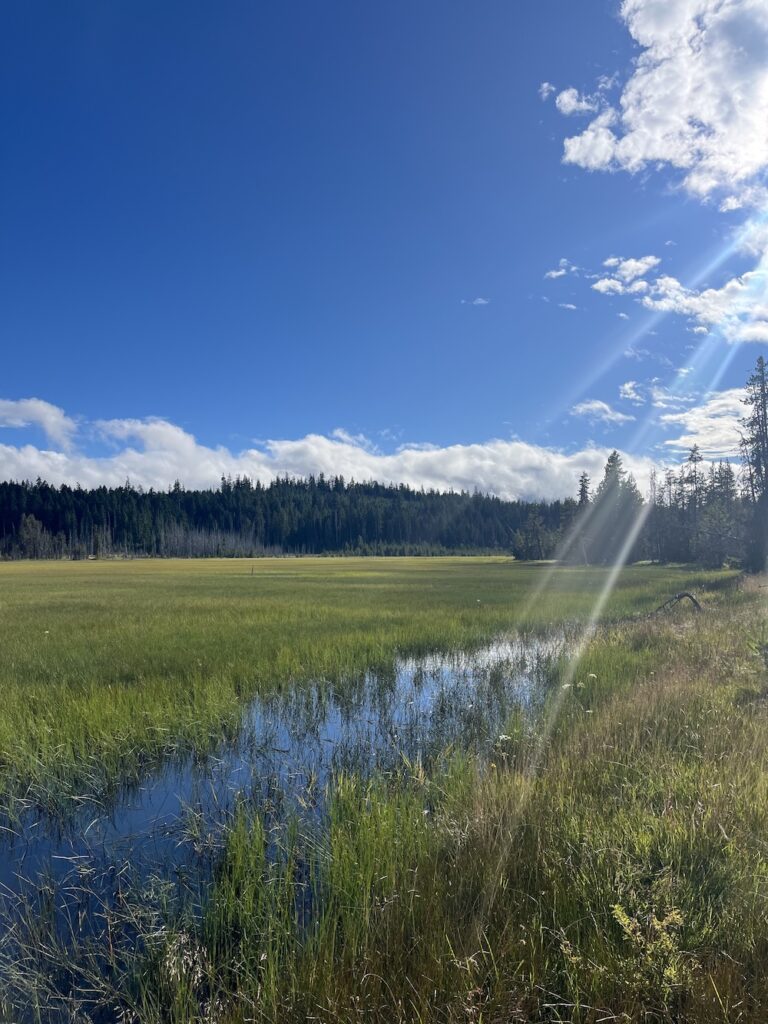
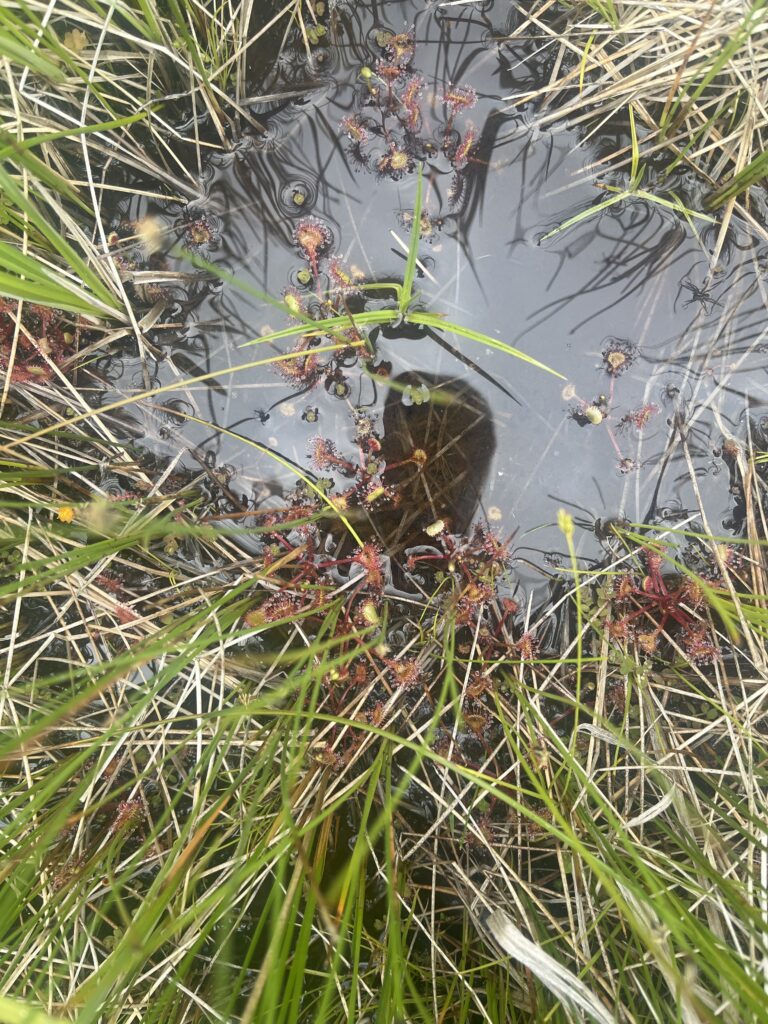
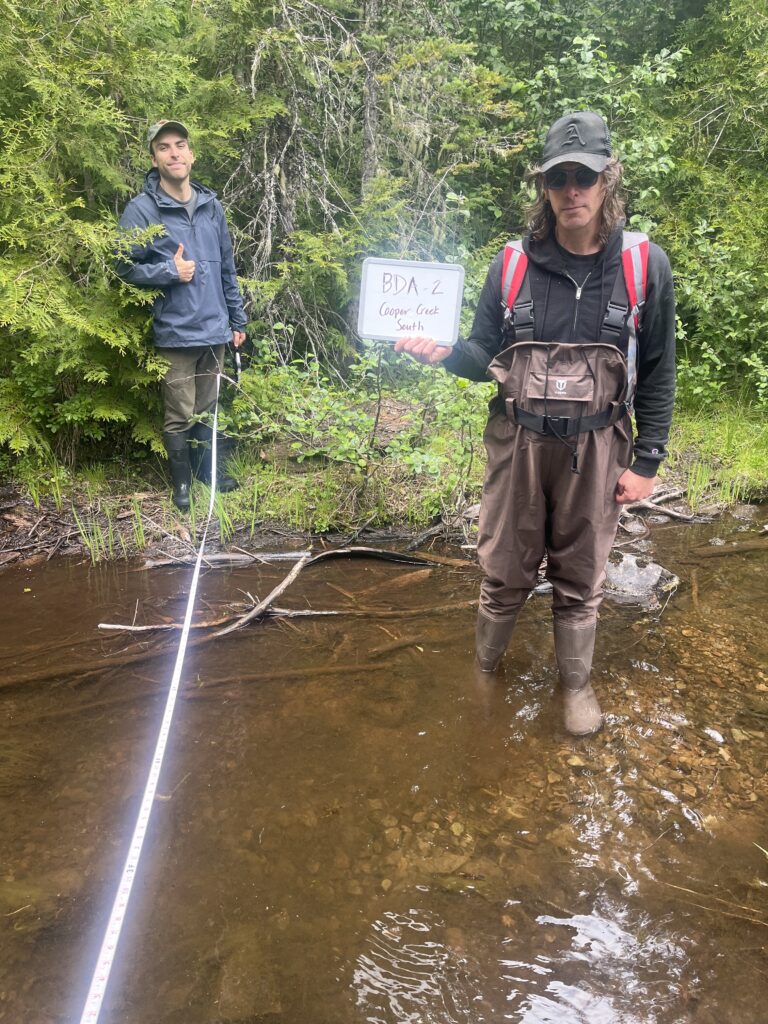
Two star volunteers (shout out to Jaemie and Max!) also mapped previously undocumented wetlands elsewhere in the project area, helping build a more complete picture of the landscape’s ecological value.
Every survey contributes critical on-the-ground data that strengthens Bark’s advocacy for protecting the forests, streams, and wildlife habitats that make the Mt. Hood NF so special. Thank you again to the Mazamas for their support of this campout and to all the volunteers who help make this work possible!
Bark Analysis of Federal Workforce Data Shows Oregon Has Lost 25% of Its Federal Land Management Workforce
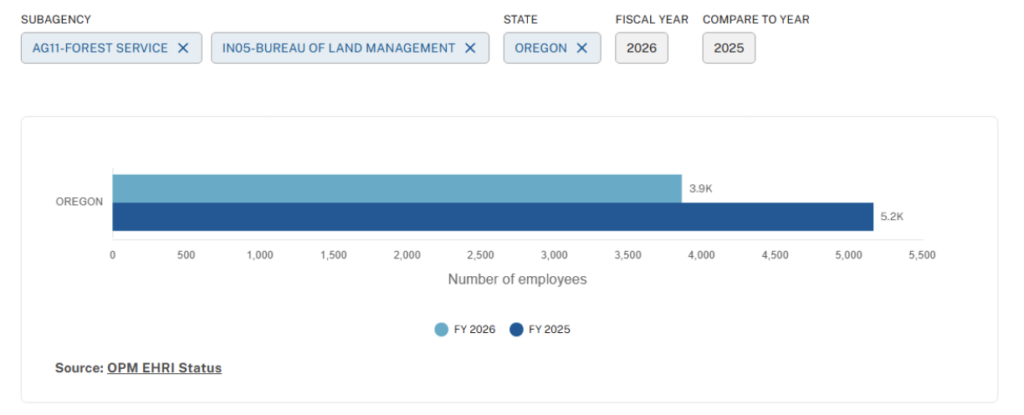
Oregon is approximately 60% public lands, and the majority (53%) of these lands are managed by two federal agencies: the U.S. Forest Service and the Bureau of Land Management. A new analysis by Bark staff of federal workforce data shows that from 2025 to 2026, Oregon lost 1 in 4 federal land management workers across these two agencies.
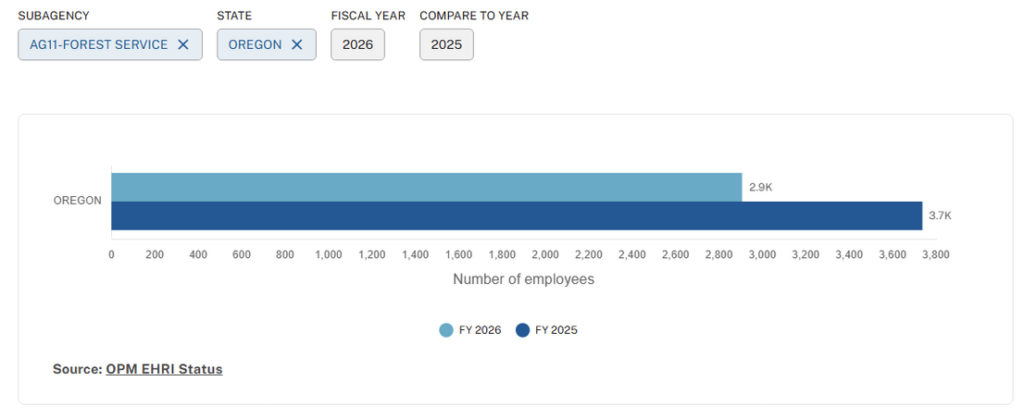
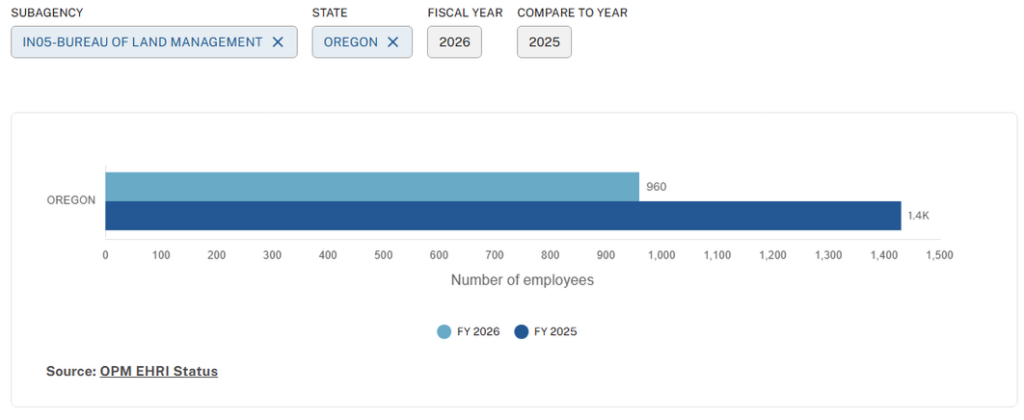
The Forest Service in Oregon alone lost 831, or 22.2%, of its employees, while the Bureau of Land Management lost almost one-third (32.9%) of its staff, with 471 fewer employees year over year.
These findings are consistent with a larger pattern of attacks on public lands that we’ve seen under the current administration, which seems bound and determined to narrow the focus of these agencies to timber production and resource extraction at the same time that it’s crippling the agencies tasked with carrying out this work. The overarching goal appears to be the privatization of these agencies and the public lands they oversee, despite broad support for public lands across the country and party lines.
That’s why Bark and other watchdog groups—and our supporters—are so important. We’ll continue to keep you updated on developments affecting Mt. Hood NF and how you can help keep public lands in public hands. Stay tuned.
Fire Restrictions in Effect on Mt. Hood National Forest
As of July 1st, the Forest Service has banned all campfires, charcoal or briquette fires, pellet fires, or any other open fires across the entire Forest, including in developed campgrounds and dispersed camping sites. Propane portable firepits and camp stoves that can be instantly turned off are still allowed. These restrictions will remain in place through October 31st. Learn more here.
News We’re Following
- Most Utahns want to protect their national monuments. Trump had other plans. // Grist
- Learn more: Tribal Nations Reaffirm Commitment to Bears Ears Following Monument Rollbacks // Bears Ears Inter-Tribal Coalition
- Environmental groups sue government to stop a big change to the Endangered Species Act // NPR
- Council handpicked by Trump to gut review process of historic-preservation projects // CBS
- Oregon Attorneys File Historic Lawsuit to Fight CRA Abuse on Public Lands // More Than Just Parks
- Forest Service proposes changes to management rules, oversight // Methow Valley News
- BLM rule changes to allow more cattle grazing on public lands in Oregon and the West // Think Out Loud, OPB