Action Alert: Forest Service Proposal Seeks to Cut Public Comment & Objection Periods
On Feb. 5th, the U.S. Forest Service released a proposed rule that would significantly shorten comment and objection periods for timber sales and other forest/land management projects.
Under the new rule, comment periods for Environmental Assessments (EAs) would be cut from 30 days to 10 days, and those for Environmental Impact Statements (EISs) would go from 45 to 20 days. Objection periods for EAs would be slashed from 45 to 10 days and from 45 to 20 days for EISs.
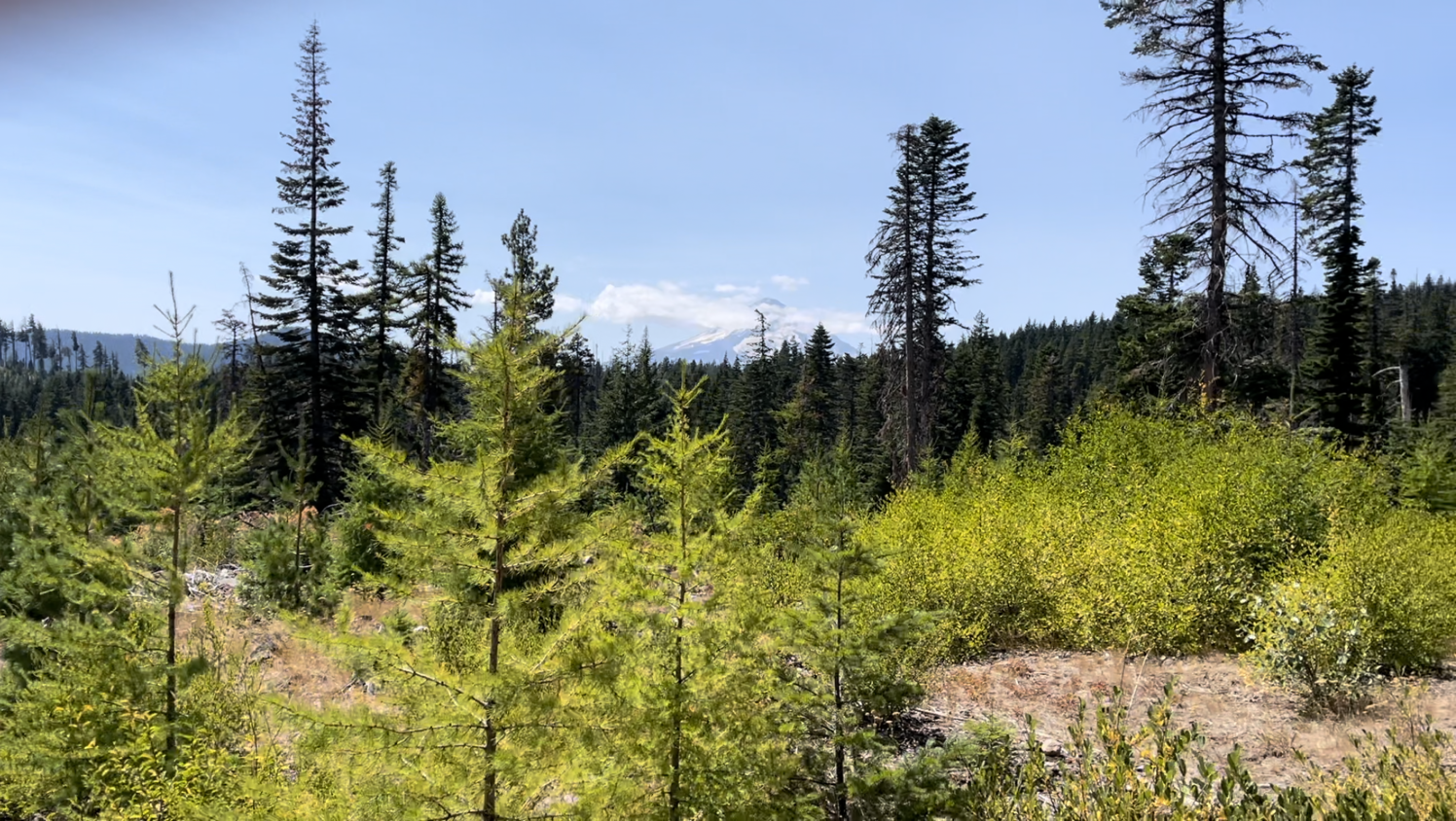
This move would effectively limit the public’s ability to participate in decision-making processes affecting Mt. Hood and all other national forests.
The comment period for this rule goes through March 9th. Submit a public comment while you still can!
Read the proposed rule here
Submit your public comment here
Sample Comment:
Dear Acting Director of Ecosystem Management Coordination,
I am writing to respectfully request that you withdraw the proposed rule — it ignores the critical role the public and outside experts play in providing information for public lands decisions.
The organizations and individuals who submit public comments for national forest logging projects provide essential expert insights and real-world observations. They often have local, ecological knowledge and deep ties to the forests covered by the proposed projects. Providing this knowledge can be time consuming. Cutting the comment and objection periods short on these projects will leave our forests, communities, and wildlife worse off.
The projects impacted by the proposed rule can cover tens of thousands of acres and can span decades. The new rule would limit the public comment and objection periods for Environmental Assessments and Environmental Impact Statements to 10 days and 20 days, respectively. This is simply not enough time for individuals and small volunteer based organizations to draft comments.
Commenters often must review an environmental document, determine which areas of the project site to visit, coordinate with the appropriate specialists to evaluate site conditions, visit the site to verify the information in the environmental document and survey for additional information, analyze findings, and describe those findings in written comments. It can take several hours to reach project sites from nearby population centers, or even to travel from one end of a project footprint to another, and site visits can occur over multiple days or weeks.
The new time constraints and page limits will lead to ill-informed management decisions on public lands, and will result in less transparency and accountability of logging in national forests. Communities, wildlife, drinking watersheds, and beloved recreation areas will be impacted by the proposed rule, and none of those impacts are properly accounted for. The rule must be withdrawn.
Sincerely,
XX
How to personalize your public comments:
The Forest Service’s proposed changes to the public comment and objections processes for projects would burden organizations and individuals who care about public lands and who wish to submit meaningful comments on logging and other project proposals. Your personal experience with participating in the public comment process can lend important examples of why the proposed rule is bad. In submitting your comments on these proposed changes, consider sharing your experience with the following:
- When have you commented on a Forest Service project in the past?
- How did you find out about the comment period? (Forest Service email, FS website, from an organization, for the local newspaper?)
- Once you found out about it, how long did it take you before you felt ready to submit your comment? Did you seek out additional information outside of the Forest Service documentation? Did you visit the project area during the comment period?
- In your comments, did you offer any specific ecological or other local knowledge based on your personal or professional experience?
- Has the timeline for project comments been an impediment to you? For example, would you have been able to submit more thorough comments with more time or would you have been able to visit the project area with more time?
- Has the information you submitted in comments ever led to the Forest Service making changes to the project? For example, were any areas dropped from the project because of your field survey or personal knowledge about the presence of sensitive areas or species?
Highlighting your personal experience in your comments is important — thank you for taking this extra step!
Thank you to Climate Forests for putting together these comment guidelines!